ProtectEU: lawful access to encrypted communications?

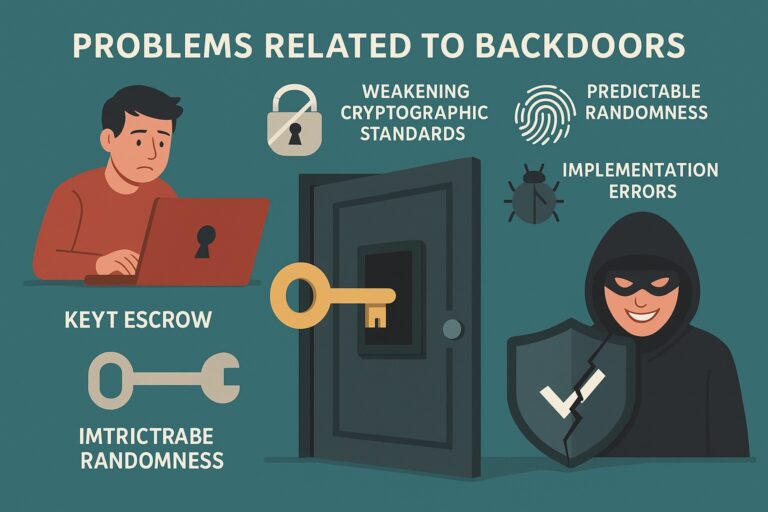
Here they come again … The European Commission’s ProtectEU strategy aims, among other goals, to develop a “technology roadmap” that would enable lawful access to encrypted communications. Superficially, this promises a careful balance: strong encryption preserved, yet decryptable when legally warranted. But beneath the…
On Starlink

Few private infrastructure projects raise as many sovereignty questions as Starlink. A single company operating thousands of satellites capable of providing connectivity anywhere on Earth — war zones, disaster areas, territories where governments control internet access — is not just…

The Basic Laws of Human Stupidity

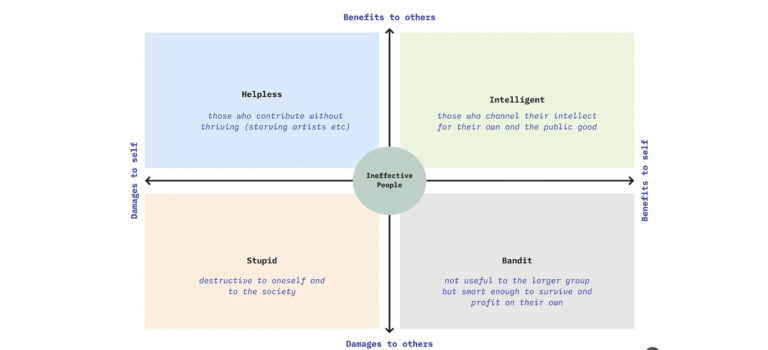
Carlo M. Cipolla, an Italian economic historian, introduced a compelling framework in his essay “The Basic Laws of Human Stupidity” to categorise human behaviour based on the impact of one’s actions on oneself and others. This framework is often visualised…

UKUSA Agreement Release

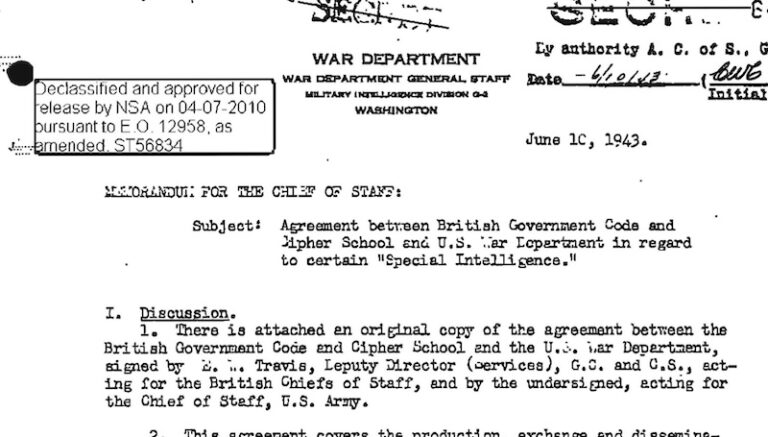
NSA Declassifies Historical Documents on the UKUSA Agreement and Five Eyes Alliance The National Security Agency (NSA) has declassified and released a collection of historical documents detailing the origins and evolution of the UKUSA Agreement, the foundational treaty underpinning the…

Borderline behaviors and political leaders

When a political leader or head of state normalizes borderline behaviours—those that challenge or circumvent ethical, legal, or institutional norms—there is a significant risk of long-lasting and profound effects on future generations. The legitimization of such behaviours by individuals in…

German domestic intelligence agency officially designated the entire political party Alternative for Germany (AfD) as a confirmed far-right extremist organization.

On May 2, 2025, Germany’s Federal Office for the Protection of the Constitution (Bundesamt für Verfassungsschutz, BfV), the domestic intelligence agency, officially designated the entire political party Alternative for Germany (AfD) as a confirmed far-right extremist organization. This unprecedented classification follows a three-year investigation and a comprehensive 1,100-page…

A proposal of a National Security Council in Germany

The question underlying this proposal is whether Germany needs a centralized security council at all, or whether its federal, departmental system simply needs better coordination. The coalition agreement answered in favour of centralization — but the comparative evidence from other…

Strong dollar – Weak dollar: a paradox

The paradox of a strong dollar: the dollar lies at the center of the international monetary system. This grants the United States what was already described in the 1960s as an “exorbitant privilege” (B. Eichengreen): the ability to issue debt in a…

The strategic illusion of quick victory

In The Age of Forever Wars: Why Military Strategy No Longer Delivers Victory (Published on Foreign Affairs, April 14, 2025), Lawrence D. Freedman offers a sobering critique of contemporary military strategy, revealing its dangerous reliance on outdated assumptions about the nature…

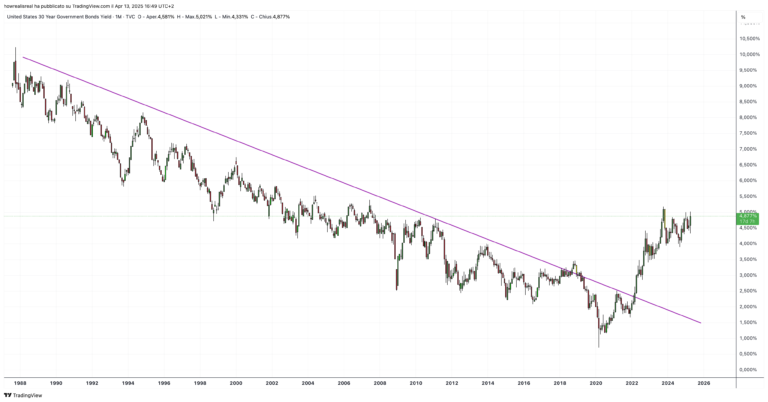
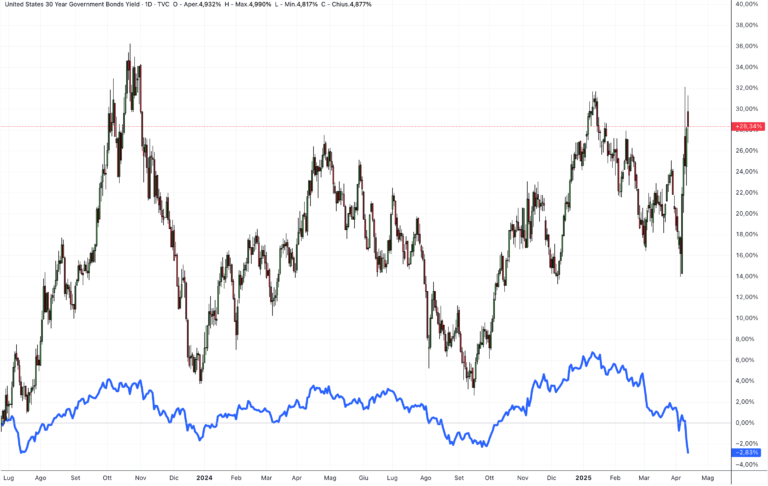
Who was selling U.S. treasury bonds?

Identifying who sells US Treasury bonds is a bit like reading a detective novel where the suspects all have plausible alibis. Official data lags, reporting is incomplete, and sovereign wealth funds operate through intermediaries. Yet the pattern of sales during…

On the U.S. National debt

Certainly, here is an overview of the growth of the U.S. national debt over the past 20 years, based on official data from the U.S. Treasury and the Congressional Budget Office (CBO): U.S. National Debt: 2005–2025 Year Total Federal Debt…

Technical regulations as strategic tools

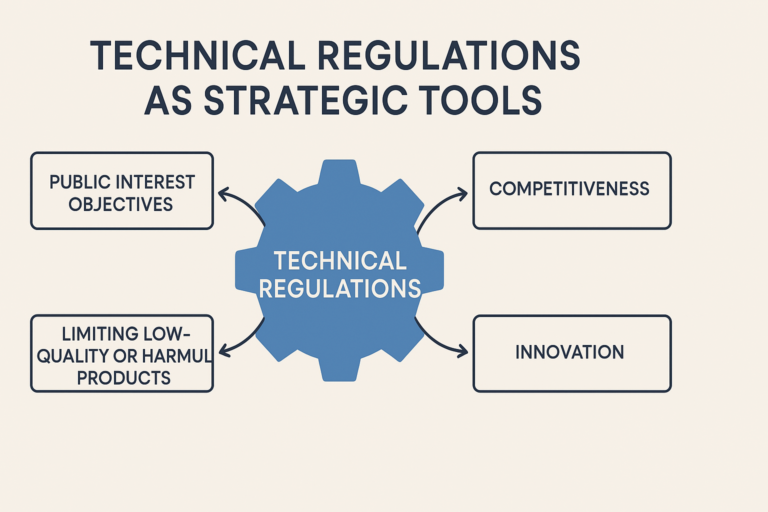
Technical regulations as strategic tools In this piece, I build upon Andrea Fracasso’s insight, where he observes that “Some are suggesting a review of green economy regulations in the EU because of their impact on production costs. While it is…

This website stores cookies on your computer. These cookies are used to provide a more personalized experience and to track your whereabouts around our website in compliance with the European General Data Protection Regulation. If you decide to to opt-out of any future tracking, a cookie will be setup in your browser to remember this choice for one year.

Accept or Deny