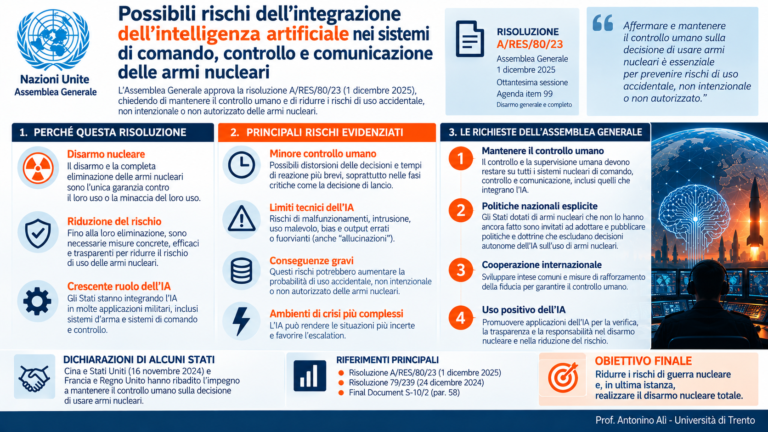
Possible Risks of the Integration of Artificial Intelligence into Nuclear Command, Control and Communications Systems

On 1 December 2025, the United Nations General Assembly adopted resolution 80/23 on the “Possible risks of the integration of artificial intelligence into command, control and communications systems of nuclear weapons.” The title precisely delineates the problem: the integration of…

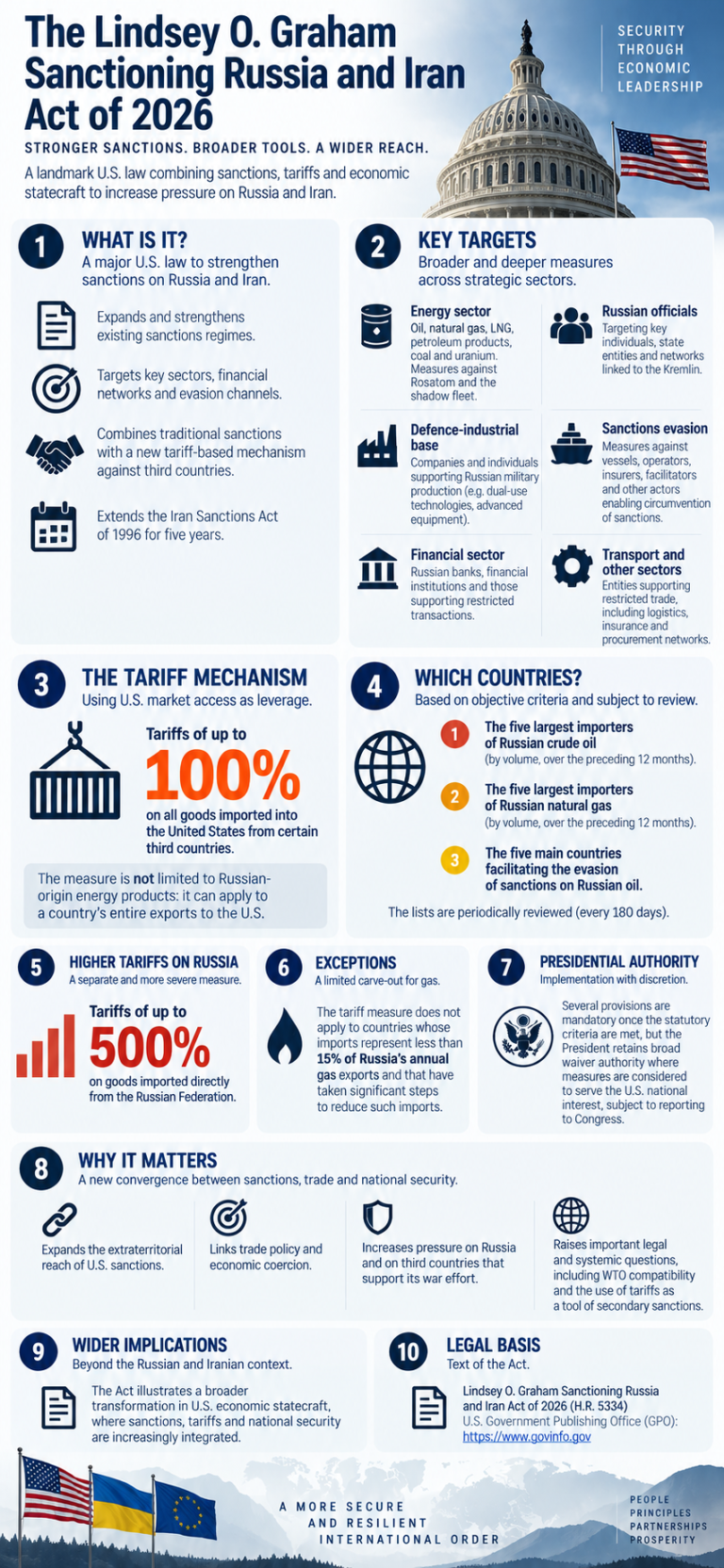
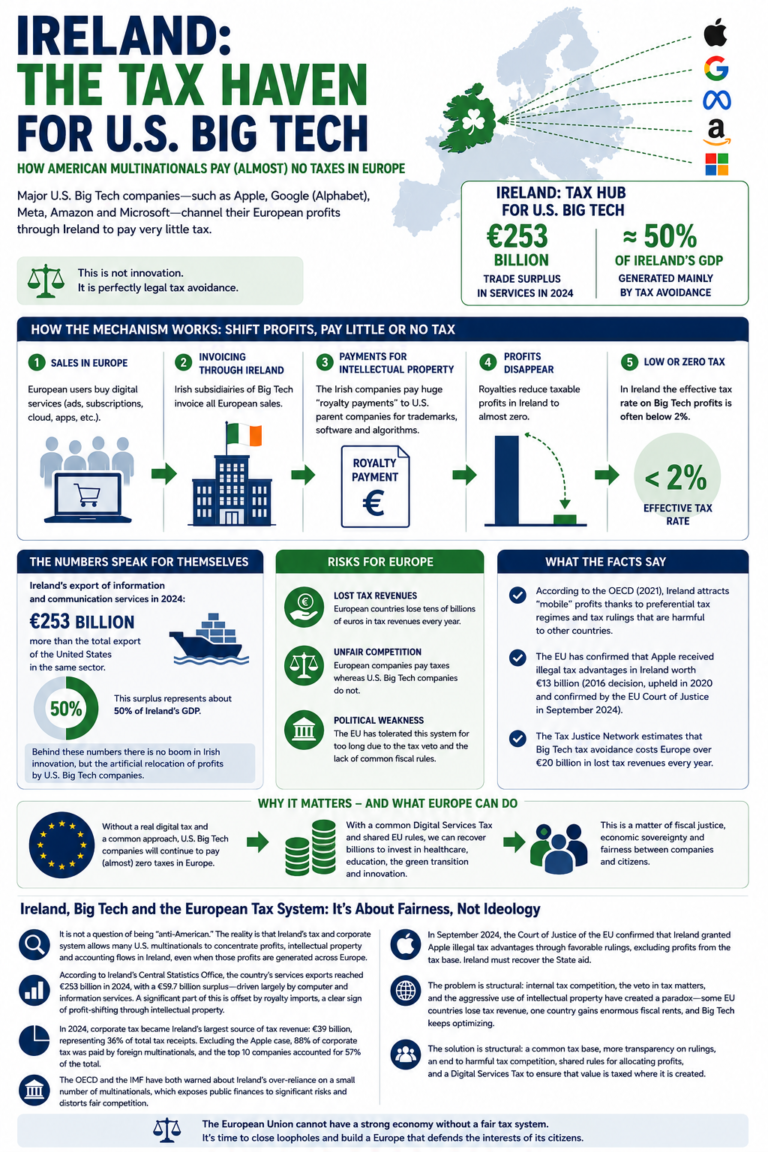
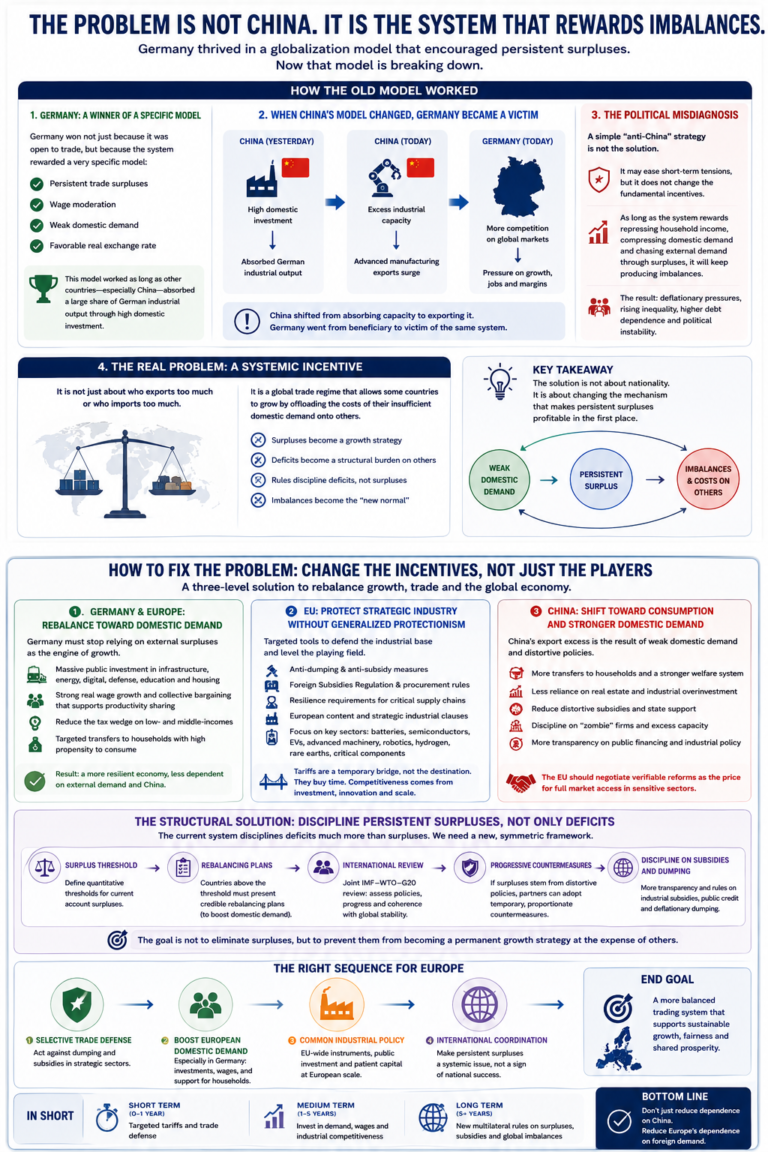
Tariffs

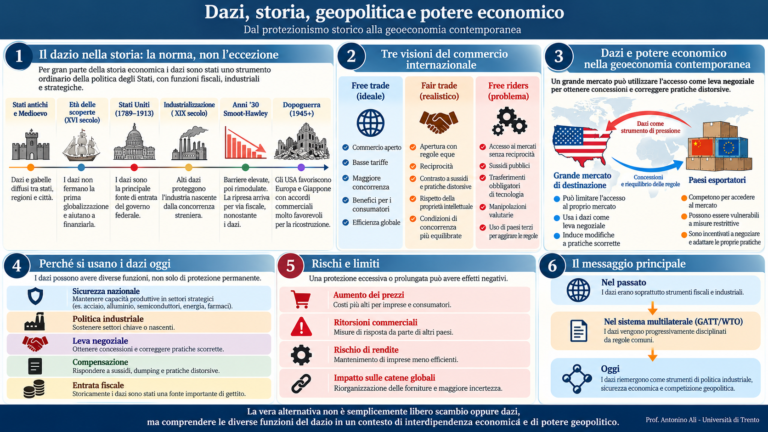
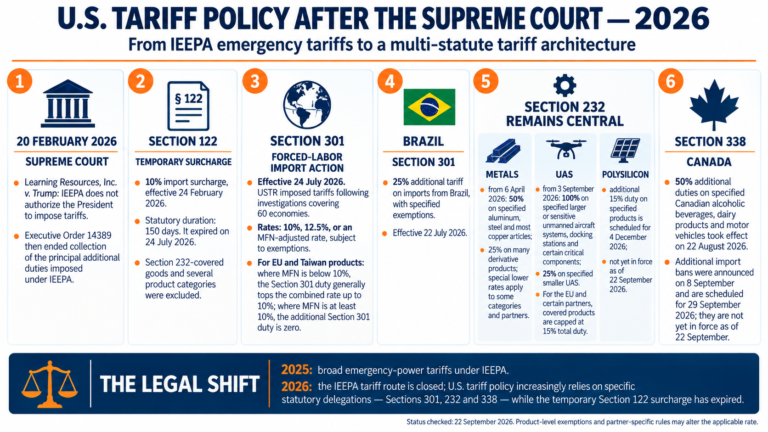
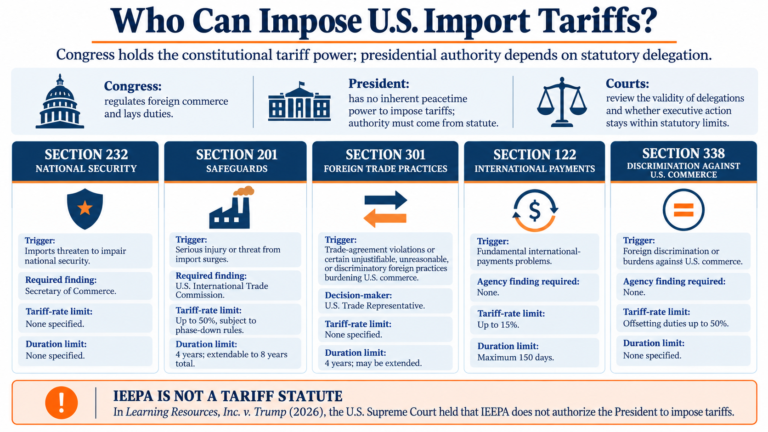
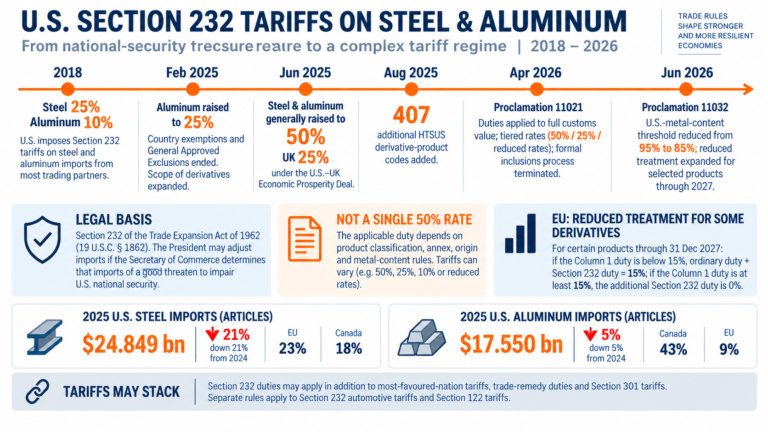
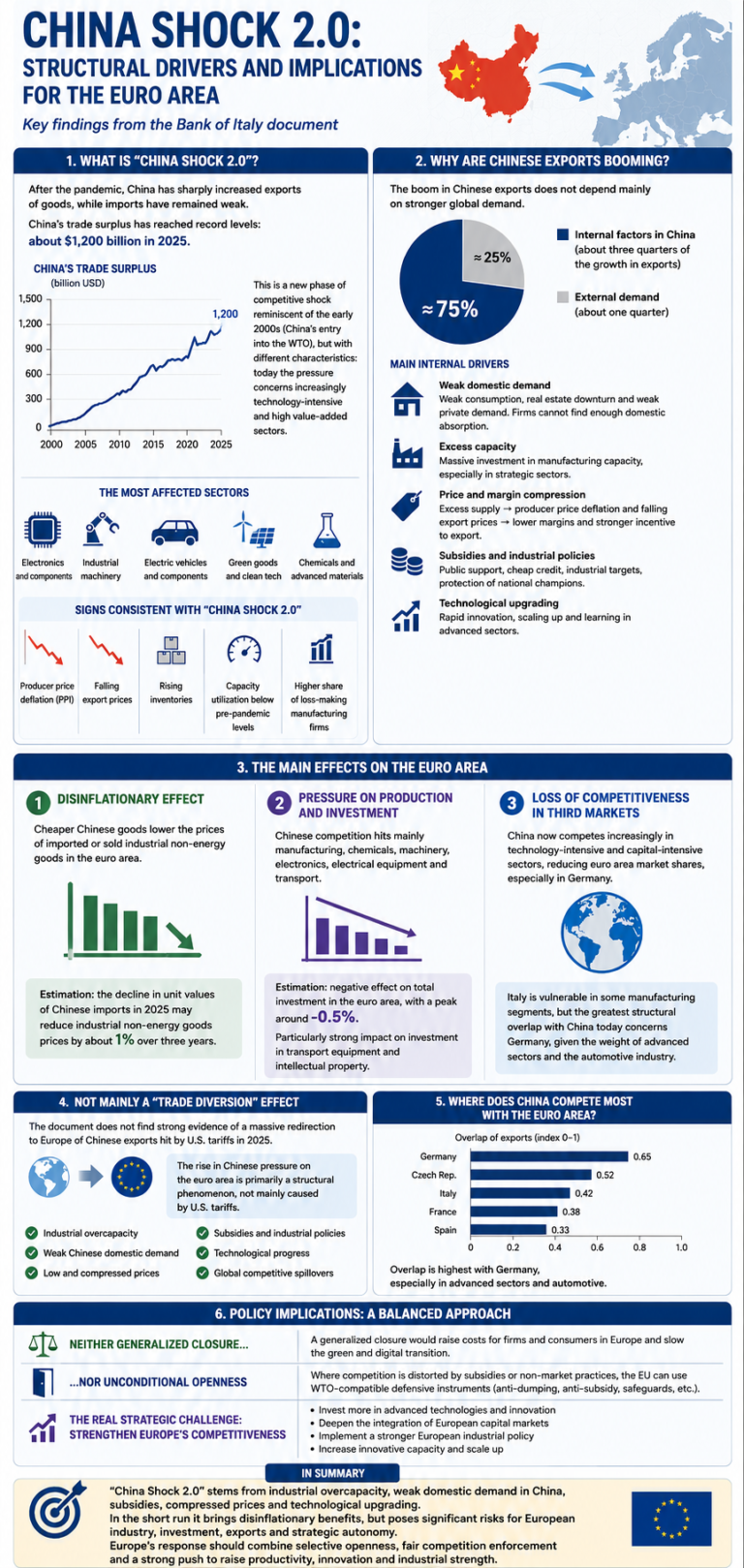
Tariffs are often presented as a deviation from a “normal” condition of free trade. This seems a simplification that does not withstand scrutiny against economic history. For much of the modern and contemporary era, customs duties were an ordinary instrument…

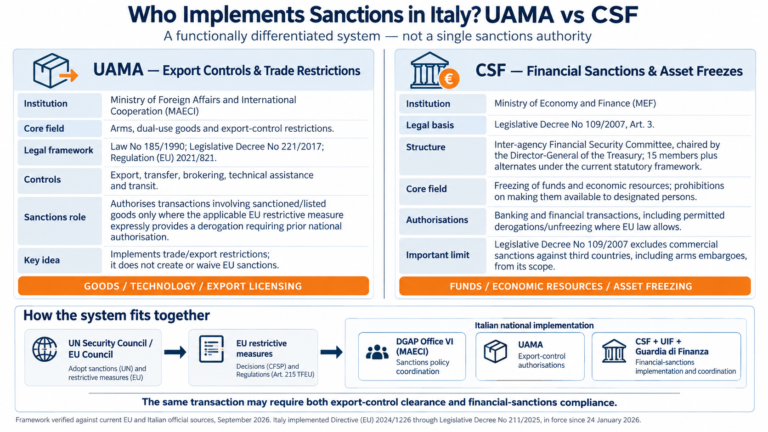
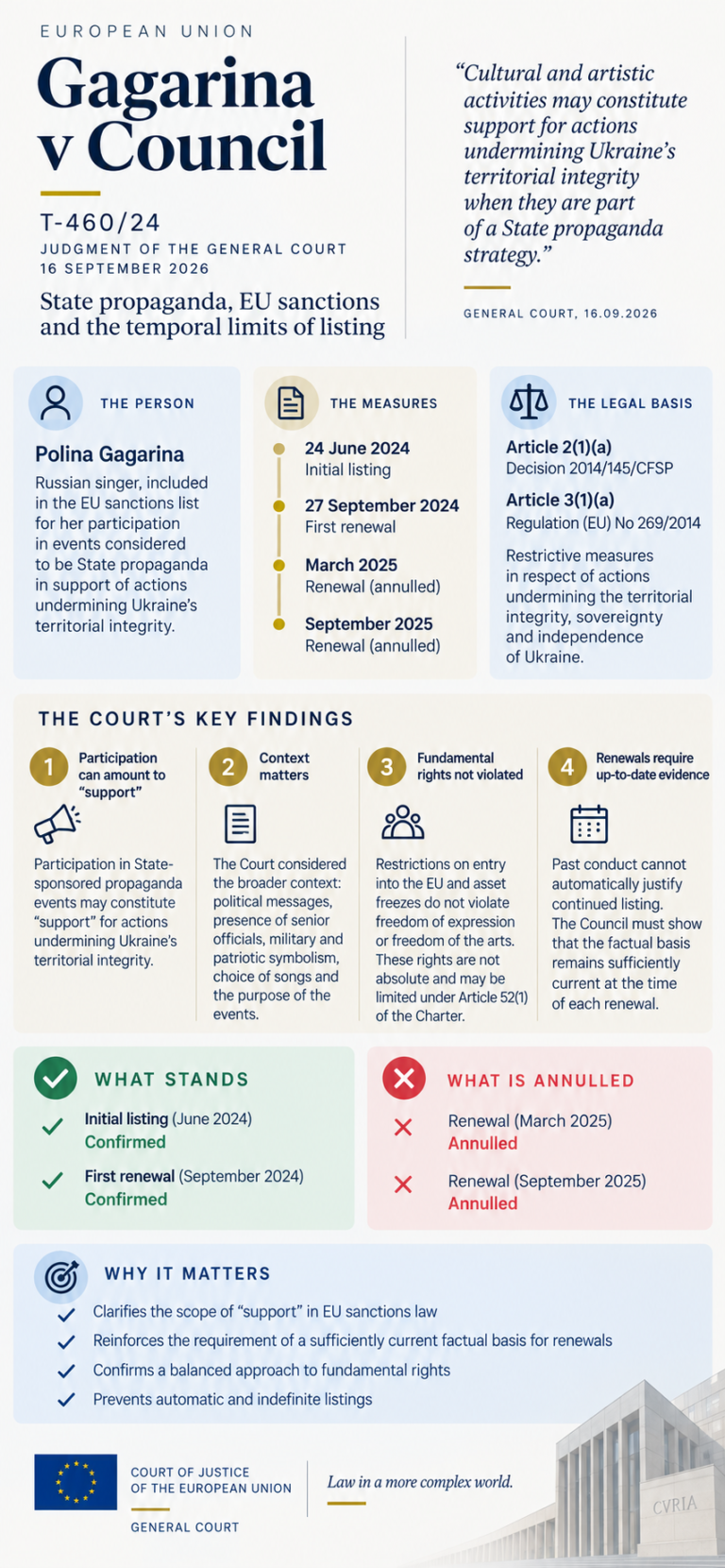
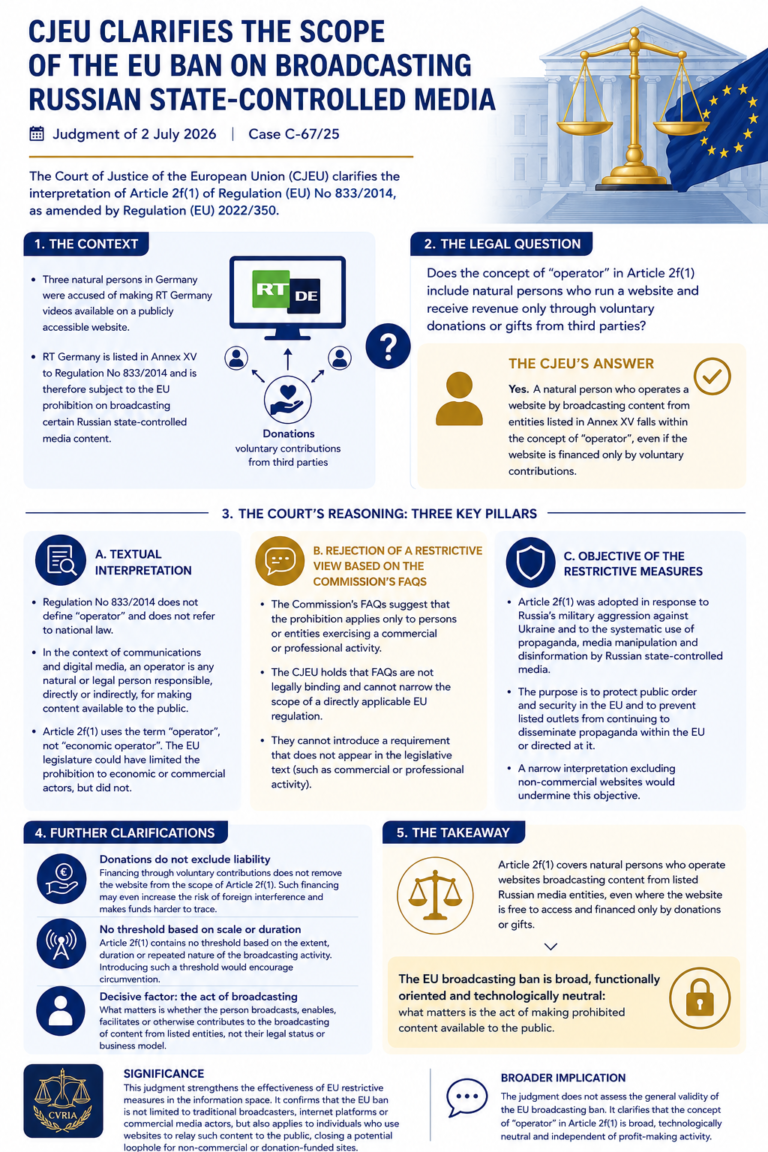
Who Implements Sanctions in Italy? UAMA, the Financial Security Committee (CSF), and a Deliberately Divided System

When lawyers speak of the “Italian sanctions authority”, the expression is convenient but potentially misleading. Italy does not entrust the implementation of international and European Union restrictive measures to a single administrative body. The national system is deliberately fragmented by…

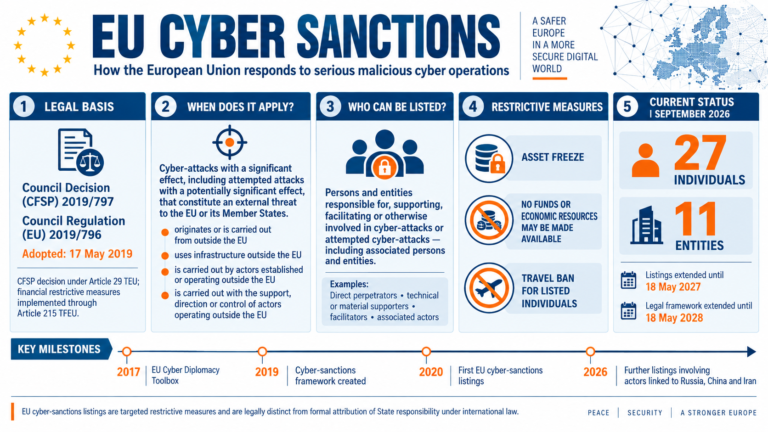
EU Cyber Sanctions: From Cyber Diplomacy to Targeted Restrictive Measures

Cyber operations have become an increasingly important dimension of international security. They may disrupt critical infrastructure, interfere with public institutions, compromise classified information or affect essential services without crossing a territorial border in the traditional sense. For the European Union,…

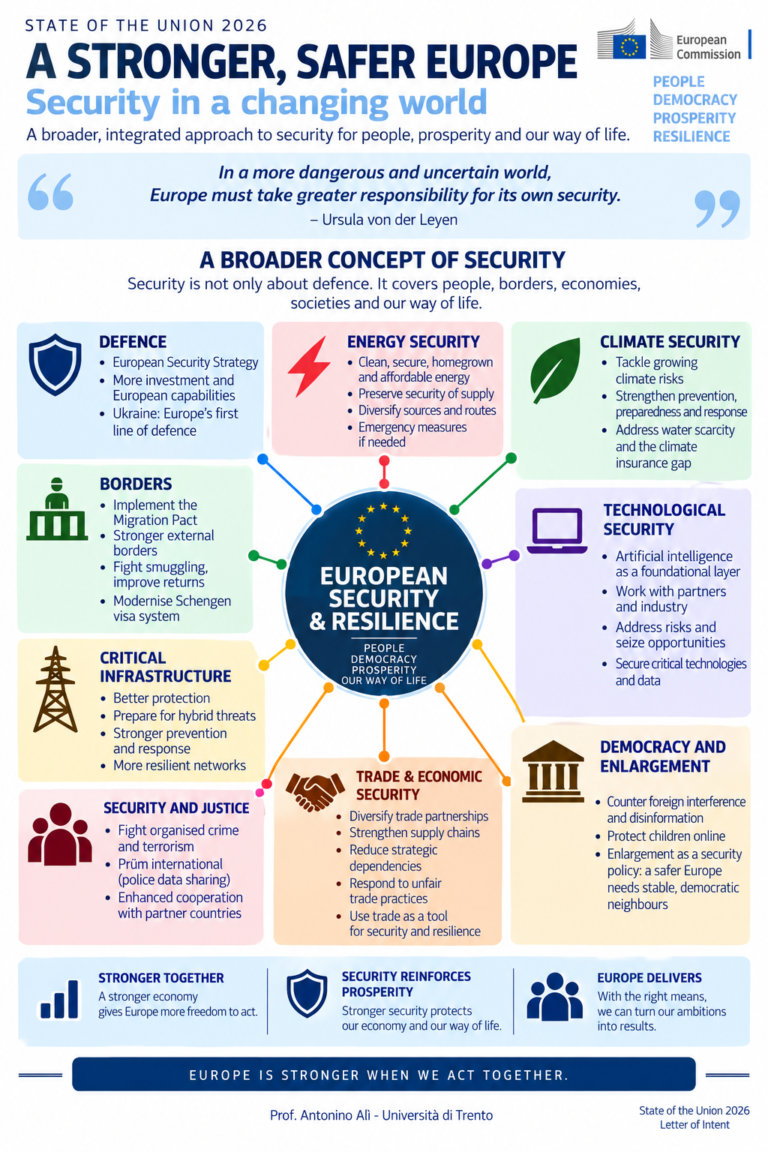
Security in the State of the Union 2026 – Letter of Intent

The document does not treat security as a self-contained policy field. Instead, security functions as a cross-cutting category connecting defence, borders, critical infrastructure, energy, democratic resilience, artificial intelligence, enlargement and economic policy. 1. European security and defence The clearest passage…

If Capablanca Played for Europe: Five Strategic Lessons for the European Union and Italy

From the chessboard to economic policy and security: what one of history’s greatest chess players might teach us. This weekend, after playing chess with my daughter, I came across a video about José Raúl Capablanca, the Cuban grandmaster who dominated the chess world in the 1920s. The commentator set out five principles that characterised his play: respect the fundamentals of the opening, coordinate your pieces, gain space,…

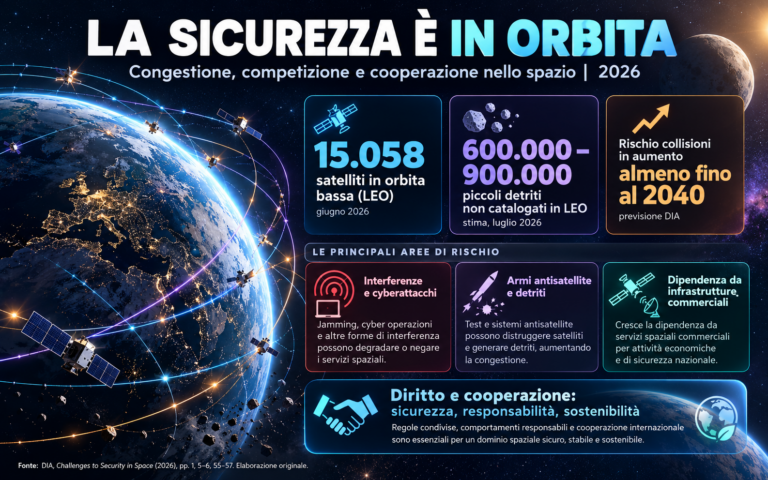
Security is now in orbit

From commercial satellites to antisatellite weapons: competition in space and the questions it raises for international law. We have grown accustomed to relying on satellite services without giving them much thought. Navigation, weather forecasts, communications and the invisible infrastructure that…

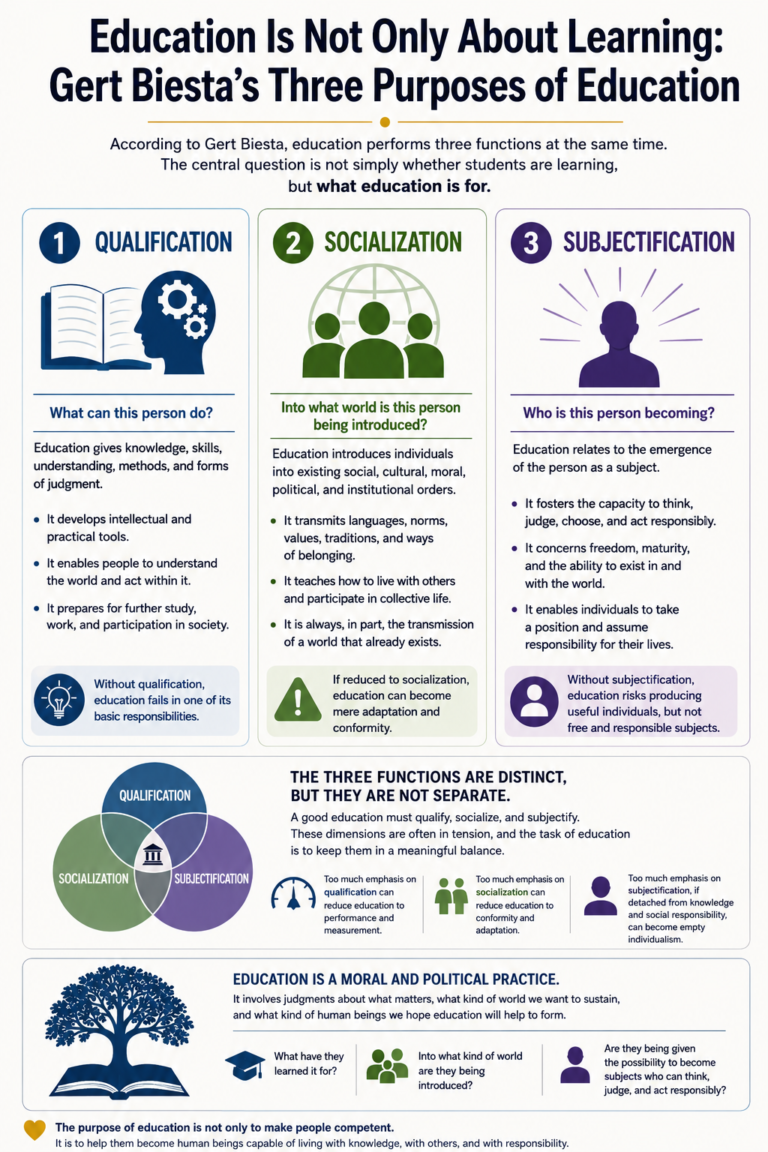
What Is Education Actually For?

There is a vocabulary that saturates almost every conversation about education today. Learning outcomes. Skills. Performance indicators. Employability. Assessment. Measurable results. You hear it in faculty meetings, in ministerial documents, in accreditation reports, in the way students themselves describe what…

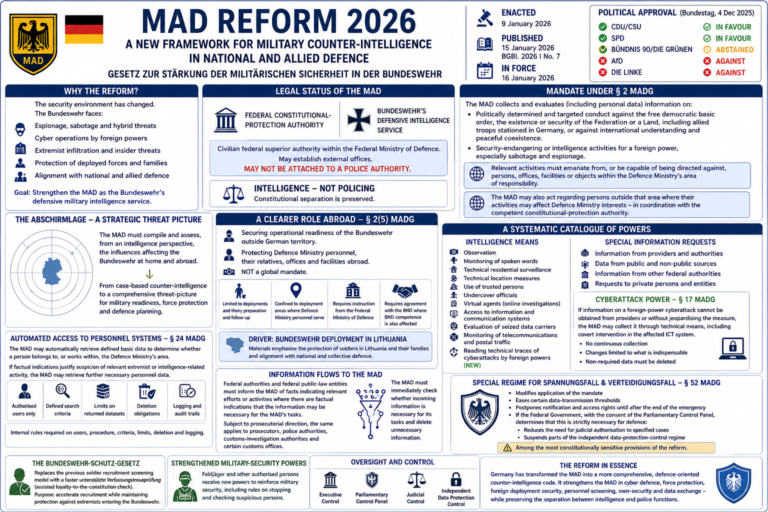
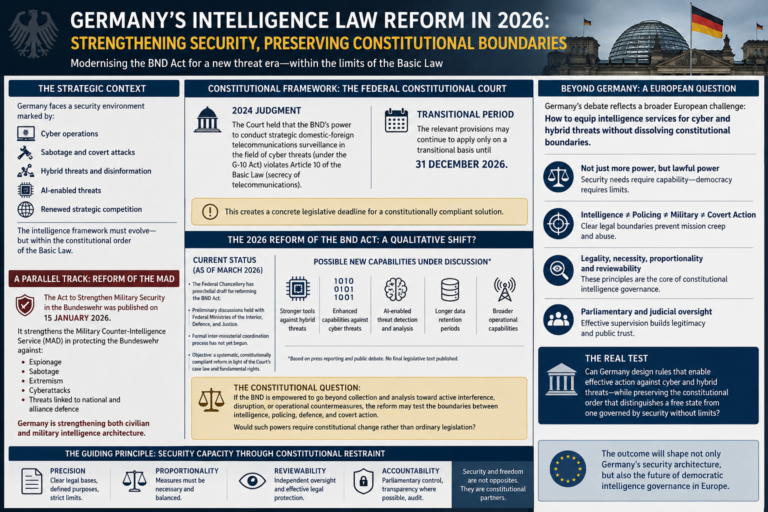
The 2026 reform of the Militärischer Abschirmdienst — MAD, the German Military Counter-Intelligence Service

Germany’s New Defence-Oriented Counter-Intelligence Code The 2026 reform of the Militärischer Abschirmdienst (MAD), the German Military Counter-Intelligence Service, is not a merely technical amendment. It constitutes a comprehensive re-legislation of German military counter-intelligence law and represents one of the most significant transformations…